
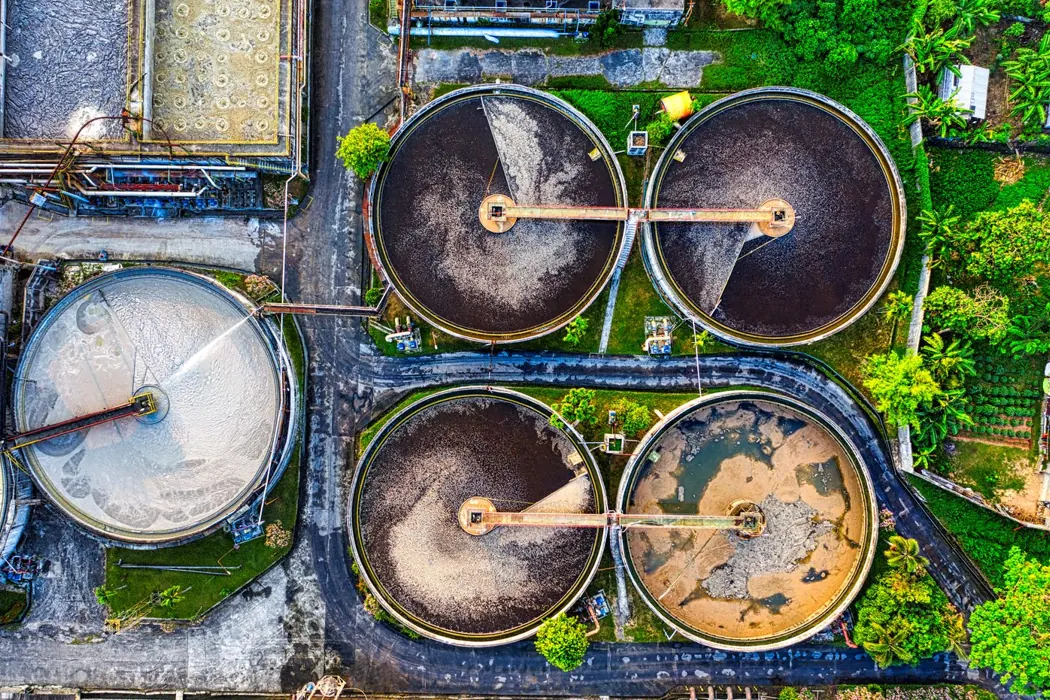
Selecting a flow meter for an existing pipe
Compare electromagnetic, clamp-on ultrasonic and turbine meters against the liquid, pipework, installation window and required output.
Start with the job your team needs to do. Each guide sets out the equipment and data path, what to include in the enquiry and the checks to agree before handover.
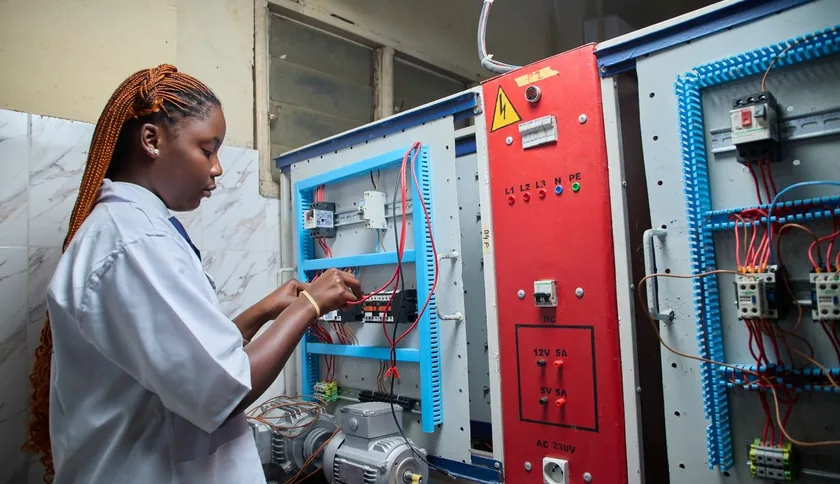
Compare electromagnetic, clamp-on ultrasonic and turbine meters against the liquid, pipework, installation window and required output.
Define level, pump state and communications for sites where a low tank or failed pump needs a field response.
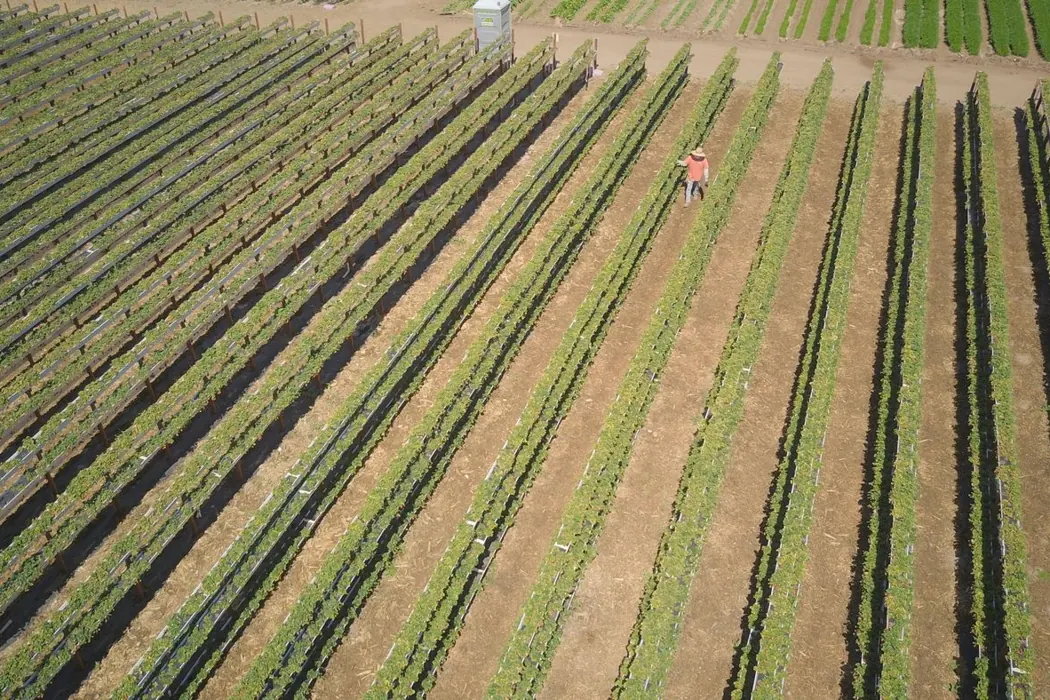
Match the electricity meter to the pump feeder, record run feedback and compare energy with delivered water where a flow total is available.
Plan continuous or spot measurements around the parameter, sampling point, maintenance access and operator response.
Specify level measurements for bulk solids and liquids, including vessel geometry, installation access and usable inventory.
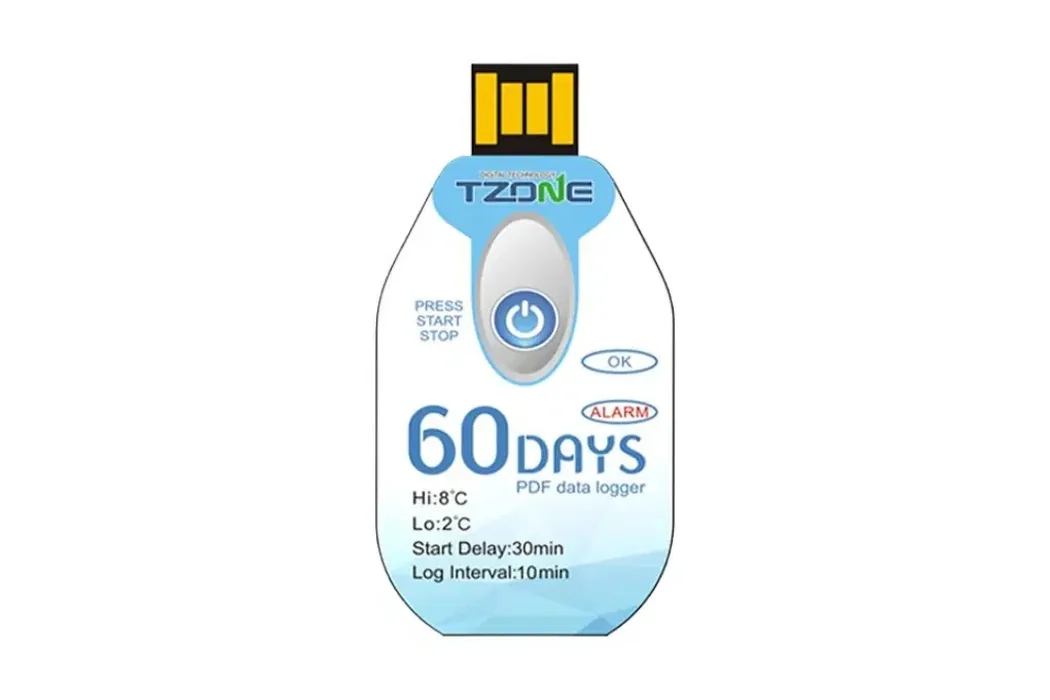
Match a portable logger to the trip, link the device to the consignment and agree how the receiving team will retrieve and review the temperature record.
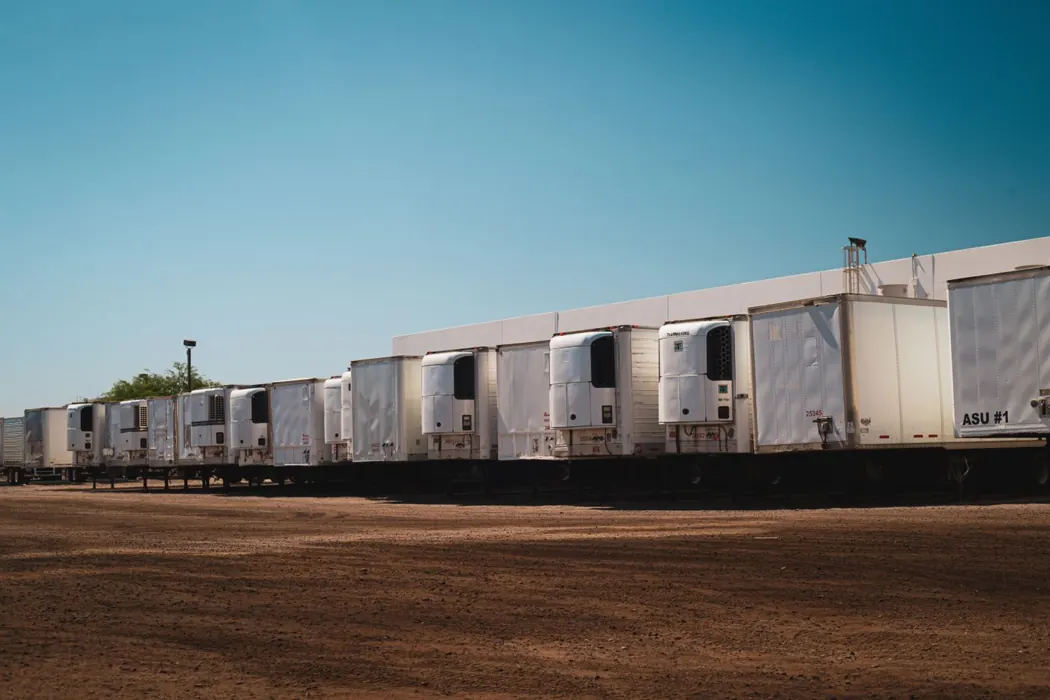
Choose probe positions, alarm delays and a record-retrieval method for refrigerated storage.
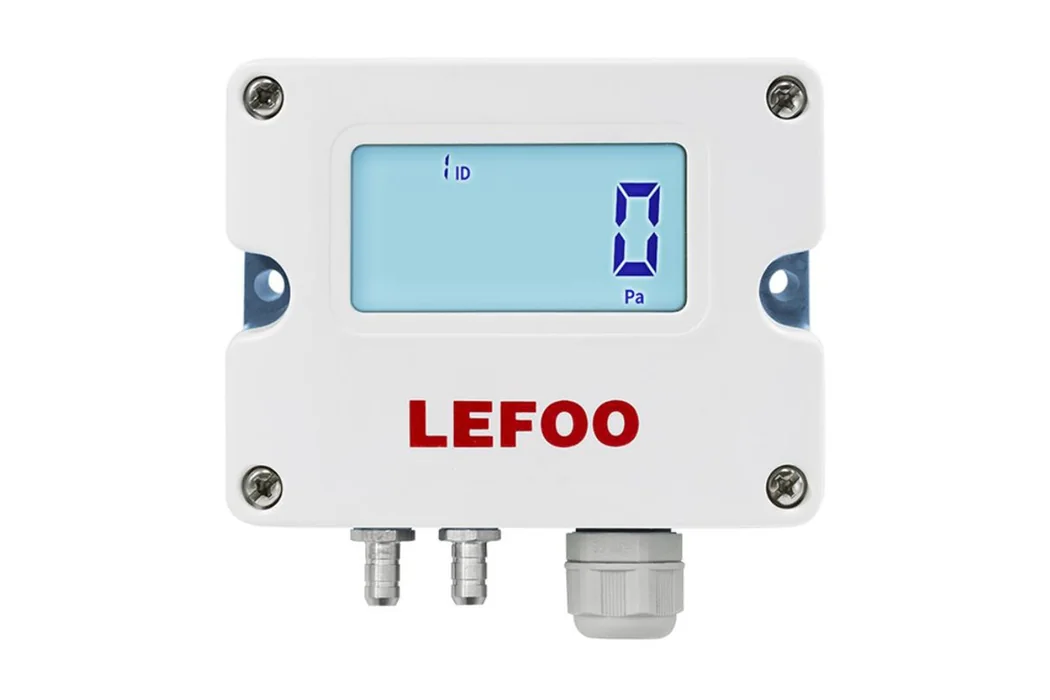
Specify the two pressure points, the expected direction of the reading and what the building operator needs to do when conditions change.
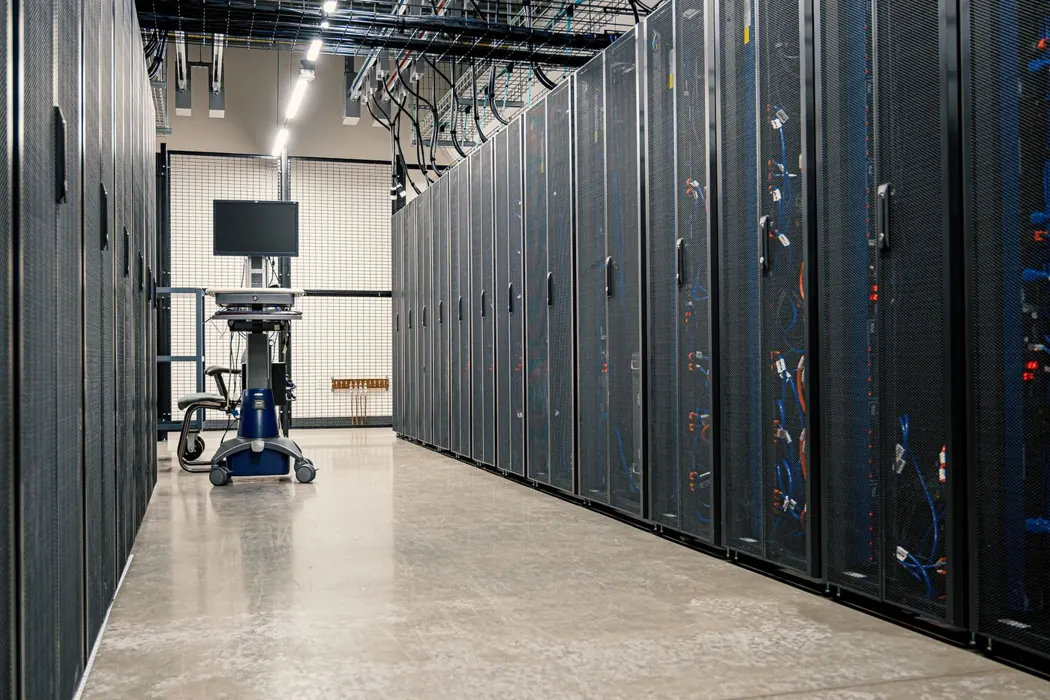
Choose detection zones and alarm routing for cooling units, pipe routes, plant rooms and raised floors.
Identify rack inlet and room readings, map cooling alarms and give facilities staff the location of the affected equipment.
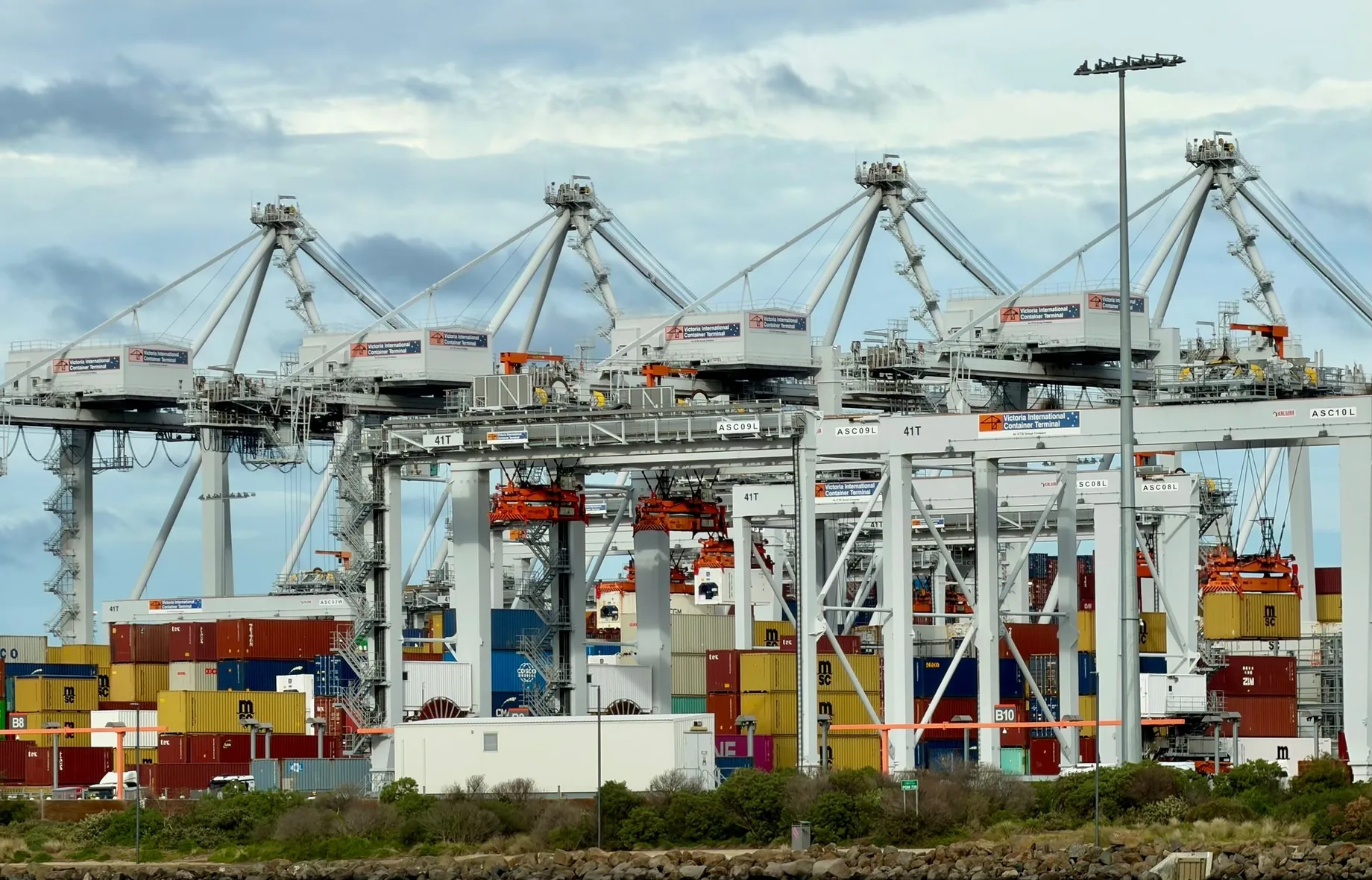
Specify wind readings, local indications and remote notifications for a nominated site exposure.
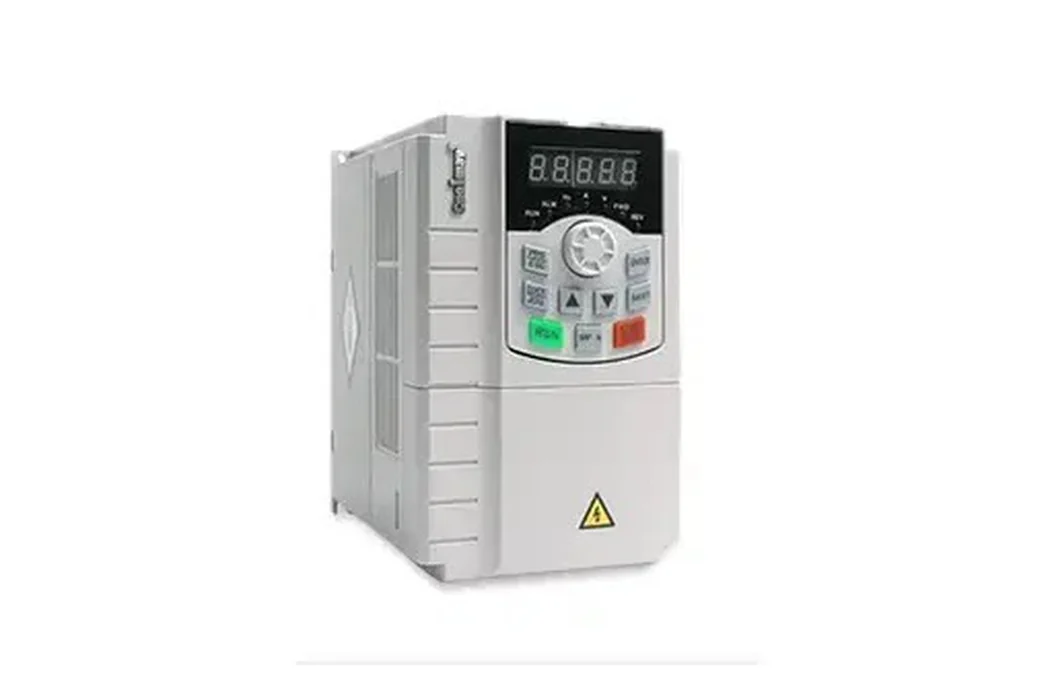
Compare the site supply, motor nameplate, load duty and control interfaces before ordering a replacement VSD or VFD.
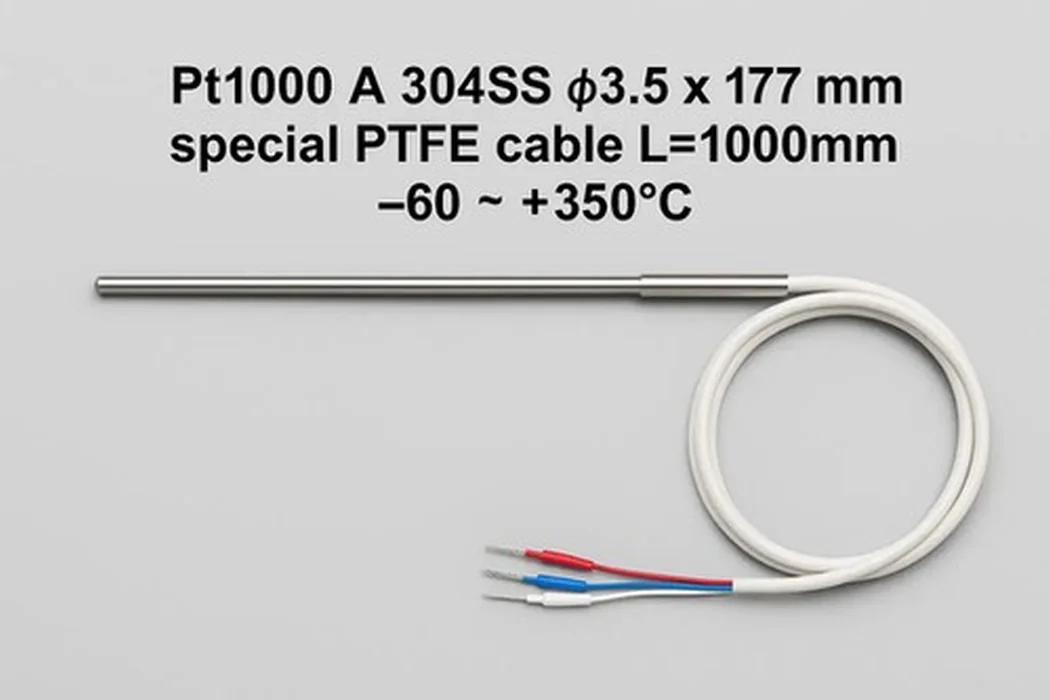
Match the installed sensing element, wiring arrangement, sheath and receiving instrument for a temperature-probe replacement.
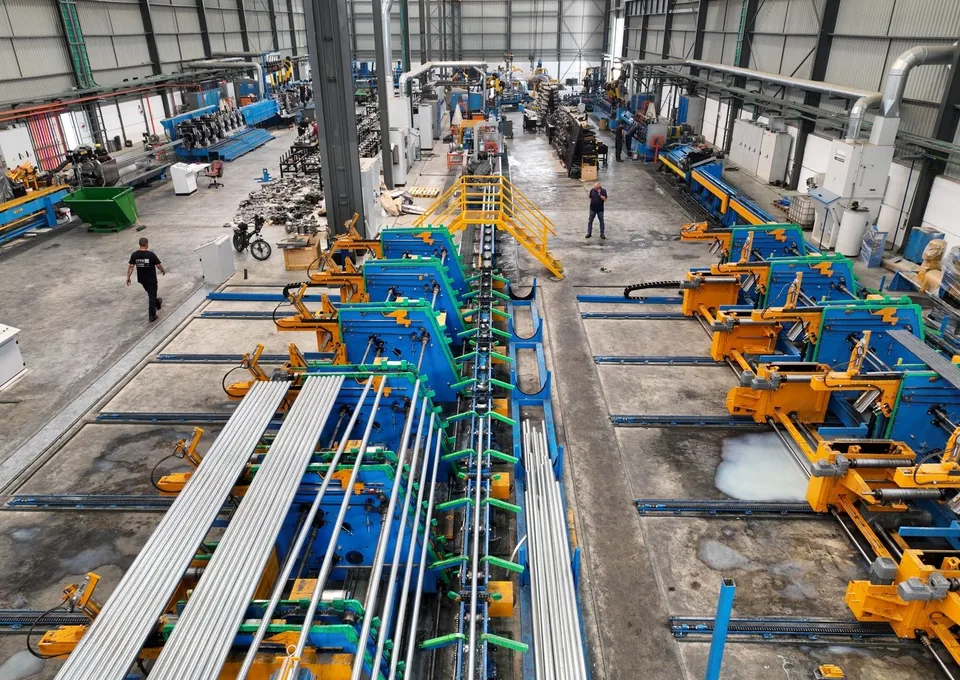
Combine machine run state, condition measurements and event history for maintenance investigations.
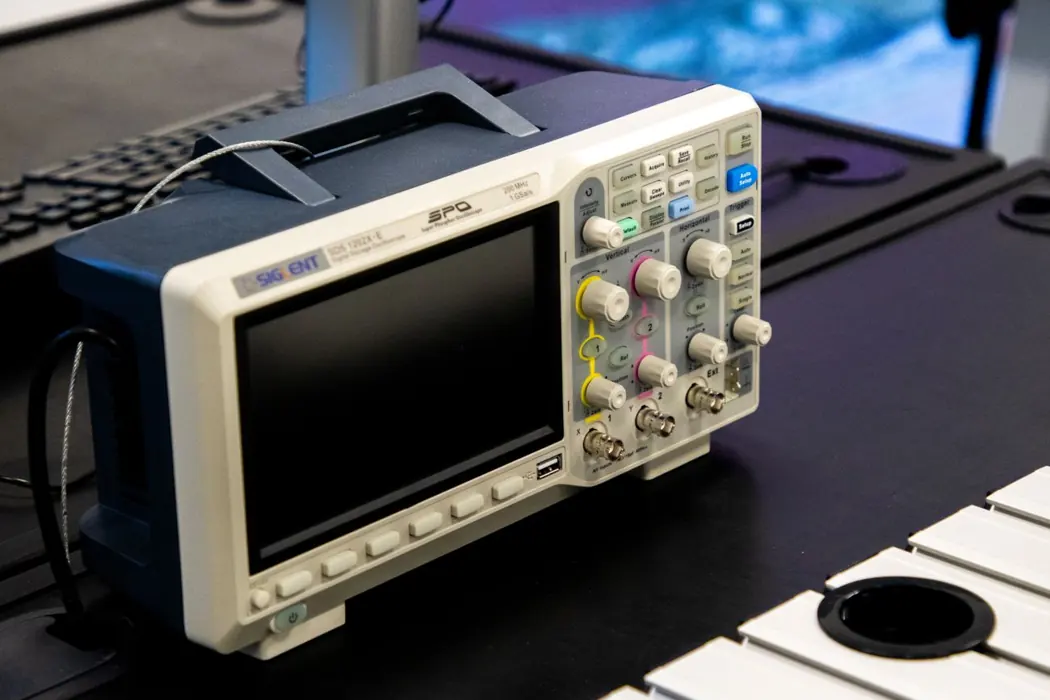
Specify oscilloscopes, probes and export requirements as a complete teaching-bench package.
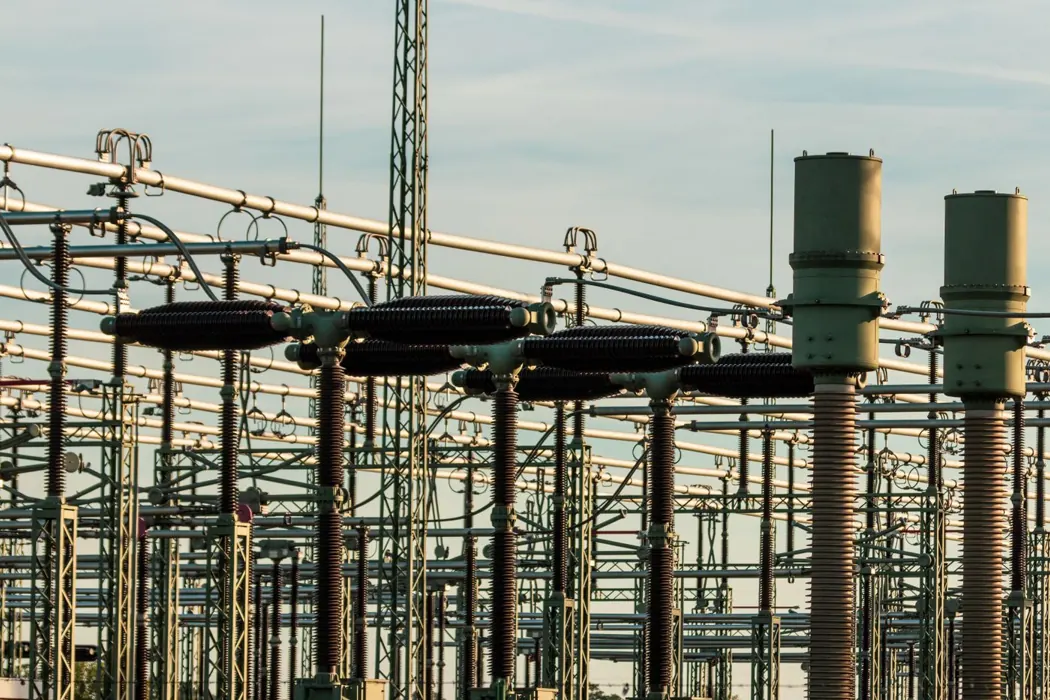
Build a circuit and gateway schedule that supports feeder-level investigation and portfolio reporting.
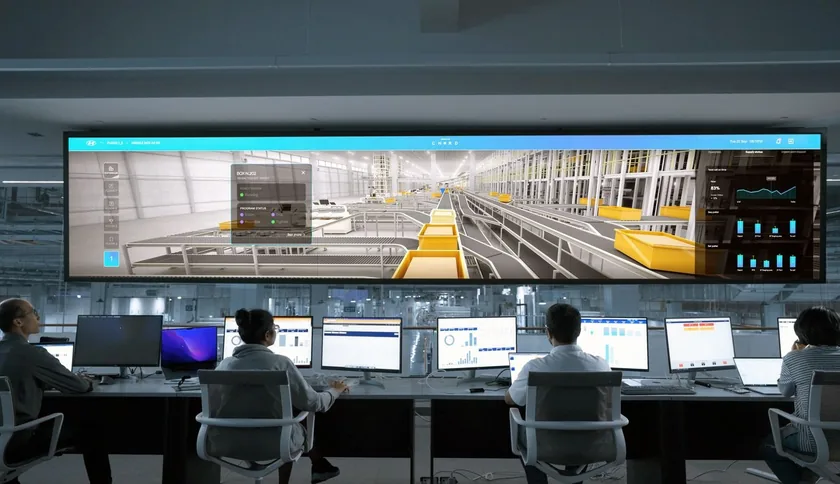
Map a supported PLC or gateway interface to ProSight tags, trends, alarms and operator roles.
Define how ProSight operators identify a site, acknowledge an alarm and review the readings around the event.
Send your equipment schedule, site locations or monitoring brief. We’ll direct it to the team responsible for your application.